
AniZone: Czech, Slovak, Polish and Hungarian family films in English, from Three Wishes for Cinderella, The Proud Princess and Arabela to Mr. Blot's Academy, In Desert and Wilderness and The Boys of Paul Street, and where to watch them
Every title on AniZone comes with a story in English and one button to the official services.
Latest Films


Fairy Tales
 130 min
 82 min
 Film
Film 133 min
 101 min
 83 min
 80 min
 144 min
 107 min
 Film
Film 95 min
 84 min
Magic and science fiction
 116 min
 106 min
 93 min
 85 min
 120 min
 Film
Film 104 min
 Film
FilmSeries
Guides
- Series 24
- Feature films 215
- Czech Republic 148
- Slovakia 24
- Poland 45
- Hungary 22
- Fairy tales 88
- Magic and science fiction 44
- Adventures 31
- Family stories 52
- Christmas and winter 33
- Before 1970 24
- 1970 to 1989 99
- The 1990s 23
- The 2000s 17
- The 2010s 38
- 2020 onward 38
- Top rated 53
- How to watch with AniZone
- Czech fairy tales
- Christmas with AniZone
- Magic and science fiction
- Václav Vorlíček and friends
- Poland
- Hungary
- Slovakia
- Adventures
- Family stories
- Series
- A family film night
- Learning languages with films
- Finding a title
- My List
Central European family cinema: the AniZone guide
AniZone: Czech, Slovak, Polish and Hungarian family films in English, from Three Wishes for Cinderella, The Proud Princess and Arabela to Mr. Blot's Academy, In Desert and Wilderness and The Boys of Paul Street
Central Europe has a fairy-tale tradition all its own. In the Czech Republic and Slovakia, a new fairy-tale film is a Christmas event, and the classics of the fifties, sixties and seventies, from The Proud Princess to Three Wishes for Cinderella, are watched by whole families every December, at home and across Germany, Austria and Scandinavia. Poland gave the world Mr. Blot's magical academy and the great desert adventure In Desert and Wilderness, and Hungary gave it The Boys of Paul Street and the summer adventures of Thorn Castle. AniZone gathers 239 family films and series from the Czech Republic, Slovakia, Poland and Hungary, made between 1946 and 2026, 215 films and 24 series, each with its own page, its story in English, its year, running time or episode list, and a Watch now button that leads to the official services carrying it in your country.
The catalogue has been chosen by hand for families. It runs from the fairy tales and comedies of the forties and fifties to the newest Czech Christmas films and Polish adventures. There are princesses and kings, witches and ghosts, devils with good hearts, visitors from other planets, summer camps and treasure hunts, family comedies and the children's television series that generations of Central European children grew up with.
Those themes form the shelves. Four country shelves gather 148 titles from the Czech Republic, 24 from Slovakia, 45 from Poland and 22 from Hungary. Fairy tales holds 88 titles, Magic and science fiction 44, Adventures 31, Family stories 52 and Christmas and winter 33. Two format shelves split the catalogue into Series and Feature films, the decade shelves trace the story through time, with 24 titles from before 1970, 99 from 1970 to 1989, 23 from the nineties, 17 from the 2000s, 38 from the 2010s and 38 from 2020 onward, and a Top rated shelf picks out the 53 titles audiences have scored most highly.
AniZone is for families who love fairy tales, for Czech, Slovak, Polish and Hungarian families living abroad who want to share their favourite films with their children, for everyone who grew up with Three Wishes for Cinderella at Christmas, and for every film lover curious about one of the richest traditions of family cinema in the world. The guides below suggest where to begin, which titles suit which ages and how to plan a film night at home.
How AniZone looks
AniZone takes its look from the 2026 design of the site whose name it shares, a clean, calm page built with the familiar slate colours of a modern web toolkit. The page is a deep slate blue, the cards are a soft grey, and the darkest rows are a near-black navy. The header is slim: a bright rose rounded square holds a white house at the left and leads home, plain white links run beside it, and a dark rounded search field and a small grey cog sit at the right, just as on the original.
Below the header comes a short line of introduction and a notice in a box with a dashed grey border, where the original asked visitors politely to switch off their ad blockers and AniZone explains what every title page offers. A large heading introduces the newest films as a row of rounded posters with two-line titles, following the original row of the latest anime.
The heart of the page is a two-column layout. At the left, a grid of wide rounded cards shows the most popular fairy tales and magic films, each with a small dark badge for the running time or the number of episodes, a title, a second line with the original title, and a small line with a clock, the year and the language, just as the original cards showed the latest episodes. At the right, a column of dark navy rows lists the main shelves, each with the number of titles and a white chevron, in the place of the original column of top tags.
The typeface is Figtree, the friendly rounded sans-serif the original site used, and every colour comes from its archived style sheets: the slate-blue page, the grey cards, the navy rows, the rose home button and the soft greys of the text. The footer is a quiet navy bar with a row of links.
Using the site
AniZone is simple to use on a phone, a tablet or a computer. The search field finds any title by its English or original name, so typing Popelka, Arabela, Kleks or Pál utcai brings the right page straight up. The header links lead to the whole catalogue, to the Fairy tales and Magic shelves, to the series and to the A to Z list, and on a small screen the menu button opens the same links together with My List and the help pages.
Every title page shows the poster, the story in English, the year, the running time or the full episode list, the main cast, the director and the studio, together with the original title. A Watch now button sits near the top of the page. Choose your country once and AniZone remembers it, so the button always opens JustWatch for the right place.
My List works like a bookmark for films. Press the button on a title page and the film is saved in your browser, waiting for you next time. A small export file lets you carry the list to another device, so the whole family can choose together on one screen and watch on another.
The Czech fairy tale
The Czech fairy-tale film is one of the great treasures of European cinema, and the Fairy tales shelf is the largest on AniZone, with 88 titles. Its roots lie in the collections of folk tales gathered in the nineteenth century by Božena Němcová and Karel Jaromír Erben, and in the plays and stories of twentieth-century writers such as Jan Drda and Jan Werich. From the fifties onward, the Barrandov studios in Prague turned these stories into films full of humour, music, beautiful costumes and real castles, and they have been loved ever since.
The Proud Princess, from 1952, is the first of the great classics. A haughty princess refuses every suitor, until a young king disguises himself as a gardener, teaches her to love the songs of the birds and the work of ordinary people, and wins her heart. Once Upon a Time, There Was a King..., from 1955, starring Jan Werich, tells the story of a king who banishes his youngest daughter for saying she loves him like salt, until his kingdom learns that salt is worth more than gold. The Princess with the Golden Star, from 1959, follows a princess who runs away from an unwanted marriage disguised in a coat of mouse fur.
Three Wishes for Cinderella
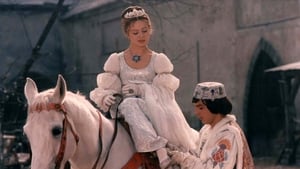
Three Wishes for Cinderella, from 1973, directed by Václav Vorlíček, is the most famous Czech fairy-tale film of all. This Cinderella is a spirited young woman who rides, shoots a crossbow and climbs trees, and who finds three magic hazelnuts that bring her a hunter's outfit, a ball gown and a wedding dress. Filmed in the snow at castles in Bohemia and Germany, with music that every Czech child knows by heart, it has become a Christmas tradition on television across the Czech Republic, Slovakia, Germany, Austria, Norway and beyond.
The golden age of the seventies and eighties
The seventies and eighties brought a new wave of fairy tales. The Terribly Sad Princess, from 1968, is a musical comedy starring the pop singers Helena Vondráčková and Václav Neckář as a princess and a prince who refuse the marriage arranged by their fathers, until they fall in love while each believes the other is someone else. Prince Bajaja, from 1971, follows a young prince who travels in silence with a magic horse to win a princess, and How to Wake a Princess is a playful retelling of Sleeping Beauty.
Prince and the Evening Star, from 1979, follows a prince who sets out to rescue three princesses from the dark lord Mrakomor, and Give the Devil His Due, from 1985, is one of the funniest Czech fairy tales, about a young man who outwits a wicked stepmother and the devils of hell, who turn out to be far more decent than some people on earth. The Little Mermaid, from 1976, is a beautiful and poetic version of Andersen's tale, and Princess Jasnenka and the Flying Shoemaker follows a young cobbler who builds wings to reach the princess he loves.
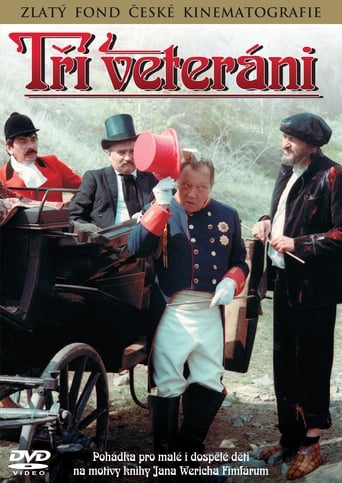
The Watermill Princess, from 1994, and The Watermill Princess 2, directed by Zdeněk Troška, are colourful comedies set among the ponds and forests of South Bohemia, and Ruffiano and Sweeteeth, from 1984, and Ruffiano and Sweeteeth, from 1997, retell Jan Werich's playful tale of an outlaw's son and a sickly princess. The Seven Ravens and The Seven Ravens tell the tale of a sister who frees her brothers from a curse, and Baton Out of the Bag, The Three Veterans, The Brave Blacksmith and Almost King are lively adventures with good hearts.
The fairy tale is still alive in Czech cinema today. Princess Cursed in Time and Princess Cursed in Time: Alchemist's Quest follow a princess who must relive the same day again and again until she breaks a curse, The Magic Quill follows a young man who finds the devil's quill that records every sin, Watchmakerʼs Apprentice follows an orphan apprentice and the magic of time, and The Secret of Krakonoš returns to the spirit of the Giant Mountains. Prince Mama's Boy, Jak si nevzít princeznu and The Greatest Gift are bright new fairy tales for Christmas.
Václav Vorlíček and the magic of Prague
Václav Vorlíček, often working with the writer Miloš Macourek, made the most inventive fantasy comedies in Czech cinema, and many of them are on AniZone. The Girl on the Broomstick, from 1972, follows Saxana, a young witch who escapes from her strict witch school and lands in a Prague classroom, where she turns some of the pupils into animals and back again, and Little Witch on a Broomstick, from 2011, brings her story to a new generation. How to Drown Dr. Mracek, the Lawyer follows a family of water spirits living in a Prague house who try to stop a lawyer from evicting them, and How to Wake a Princess and Prince and the Evening Star are among his best fairy tales.
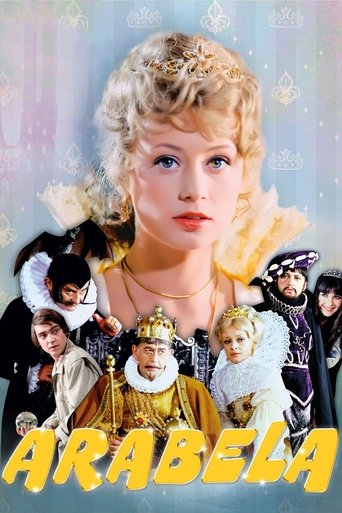
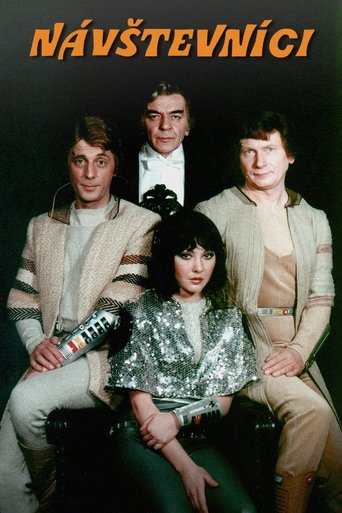
Vorlíček and Macourek also created Arabela, one of the most famous children's series of Central Europe. Princess Arabela, from the Land of Fairy Tales, falls in love with Petr, a boy from the ordinary world, while the clumsy wizard Rumburak schemes to steal her magic ring and take over the fairy-tale kingdom. The series was a huge success in Czechoslovakia and Germany, and Rumburak, from 1984, gave the wizard a film of his own. The Visitors, another of their series, follows a group of time travellers from the twenty-fifth century who come to a Czech village to find a lost genius who can save the Earth from a comet.
Witches, ghosts and friendly devils
The Magic and science fiction shelf holds 44 titles. The ghosts of Czech cinema are usually friendly, and the devils often turn out to be good at heart. Long Live Ghosts!, from 1977, follows a gang of children who discover a kindly old ghost in the ruins of a castle and become his friends, and The White Lady, from 1965, follows a ghost who steps out of a painting in a small town. Kačenka a strašidla and Kačenka a zase ta strašidla follow a girl who befriends the ghosts of an old castle.
Angel, from 2005, and Angel 2, from 2016, follow a clumsy angel named Petronel and a devil named Uriáš, who are sent to earth together during Advent to learn about kindness, and they have become Christmas favourites in the Czech Republic. Pure Devilry follows two clumsy little devils sent on a mission from hell, and Helluva Good Luck and Devilish Luck 2 are comic fairy tales about devils, princesses and greedy villains.
Science fiction for children
Czech filmmakers also made some of the most imaginative science fiction for children. Journey to the Beginning of Time, from 1955, directed by Karel Zeman, follows four schoolboys who row a boat down a river that carries them back through the ages, past mammoths, dinosaurs and the first sea creatures, in a masterpiece of special effects that still delights children today. Clown Ferdinand and the Rocket follows the beloved clown on a trip into space.
The Octopuses from the Second Floor, from 1987, follows a brother and sister who discover two strange creatures that can turn into anything, from household appliances to people, and Merry Christmas Octopus continues their adventures. Where the Early Bird Catches the Worm follows a boy who learns to clone himself, The Wishing Machine follows two boys who explore a futuristic exhibition, and Odysseus and the Stars follows children investigating mysterious events. Lucy, the Menace of Street and ...and again that Lucy! follow a six-year-old girl and her two magic dolls.
Mr. Tau
Mr. Tau, the gentle magician in a bowler hat with an umbrella, was created for Czechoslovak and German television, and he became one of the most loved characters of children's television in Central Europe. He speaks only through gestures and smiles, and with a tap of his hat he can make the impossible happen. Alarm in the Clouds, from 1978, sends him walking on the wing of an aeroplane, and in another film he turns up unexpectedly to bring a little magic into a family's everyday life.
Czech family stories
Alongside the fairy tales, Czech cinema made many warm and funny films about everyday family life, and the Family stories shelf holds 52 titles. How to Pull Out a Whale's Tooth, from 1977, follows eight-year-old Vašek, who is determined to find a new father for his mother, and How to Get Daddy to Change continues the story. Twins at the Zoo follows two brothers on a holiday with their grandfather, Holiday for a Dog follows a family preparing for a summer holiday, and Six Bears and a Clown follows a circus clown who sets out to win back his trained bears.
The Krakonos and the Skiers, from 1981, follows two boys from a large family in the Giant Mountains who meet the legendary mountain spirit Krakonoš, and The Fair Is Here follows the children of a village waiting for the weekend fair. Jumping Over Puddles, from 1971, follows a boy who overcomes the effects of polio with great courage, and Brontosaurus follows a young nature lover in a small Czech town. Granny, from 1971, adapts Božena Němcová's beloved novel about a grandmother who comes to live with her daughter's family in the countryside.
To See the Sea follows a boy who dreams of becoming a filmmaker and turns his camera on his own family, Golden Eels follows a little boy and his father on a summer in the country, and Big Dreams follows an eleven-year-old who forms a hockey team inspired by the Czech Olympic victory of 1998. Autumn Spring is a bittersweet comedy about a mischievous old man who refuses to grow old quietly, a film for older children and adults.
Adventures
The Adventures shelf holds 31 titles. The trilogy that begins with Under the Badgers Rock follows Vašek, a boy who spends his holidays with his grandfather, a gamekeeper in the Bohemian forest, and continues in On the Poachers Trail and Behind the Sloe-Bush, with poachers, wild animals and the deep woods of Šumava. Man Overboard follows a ten-year-old boy who joins a sailing club, and Mystery of the Puzzle follows teenagers solving a puzzle left behind by a mysterious stranger.
Poland
Poland has its own rich tradition of children's cinema, and the Poland shelf holds 45 titles. The most famous is the story of Mr. Blot, the eccentric wizard and headmaster of a magical academy where every pupil's name begins with the letter A. Mister Blot's Academy, from 1984, based on the book by Jan Brzechwa, follows Adaś Niezgódka into the fairy-tale land of the academy, with songs that every Polish child knows. Travels of Mr. Blot and Mr. Blot in Space continue the adventures, and Kleks Academy, from 2024, brings the story to a new generation, with a girl named Ada as the heroine, followed by Kleks Academy 2.
In Desert and Wilderness, from 1973, adapts Henryk Sienkiewicz's great adventure novel about Staś, a fourteen-year-old Polish boy, and Nel, an eight-year-old English girl, who are carried off across Africa and find their way home through deserts and jungles with courage and loyalty. It is one of the best-loved adventure films in Polish history, best suited to older children.
Mr. Car, the art historian and treasure hunter who drives a strange homemade car, is another Polish favourite. The series Samochodzik and Knights Templar, from 1972, follows him on a hunt for a treasure hidden by the Knights Templar, and Mr. Car and the Knights Templar, from 2023, brings him back to the screen. Journey for One Smile, from 1972, follows two cousins who set off by train to the seaside and lose their travel money on the way, and Vacations with Ghosts follows three boys investigating the ruins of an old fortress.
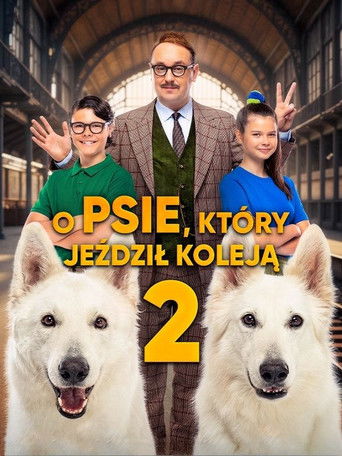
Modern Polish family films are full of energy. Lampo, the Travelling Dog tells the story of a dog who travelled alone on Italian trains and became famous, here moved to a Polish railway town, and The Travelling Dog 2 continues his adventures. Kaytek the Wizard, based on the novel by Janusz Korczak, follows a stubborn twelve-year-old who discovers he can do magic, Too Old for Fairy Tales and Too Old for Fairy Tales 2 follow a boy who loves computer games, and Double Trouble, Triple Trouble and Detective Bruno are lively treasure hunts. David and the Elves is a Christmas adventure about a boy and an elf, and Seven Wishes follows a boy who rescues a talking black cat.
Slovakia
Slovak cinema has its own fine fairy-tale tradition, and the Slovakia shelf holds 24 titles. Salt & Gold, from 1983, directed by Martin Hollý, tells the Slovak version of the tale of the king who learns that salt is worth more than gold, and Popolvar, Biggest in the World, by the same director, follows the youngest of three royal brothers on a quest full of dragons and danger. Mahuliena, Golden Maiden follows a brave prince and his faithful servant, and The Galoshes of Happiness adapts Andersen's tale of magic galoshes that grant the wishes of whoever wears them.
Plavčík a Vratko, The False Prince and Tri zlaté dukáty are lively Slovak fairy tales, and The Enchanted Cave, The Magic Stone and Christmas Wish are newer television fairy tales. Tomáš and the Falcon King follows a fourteen-year-old boy who befriends a falcon and its master in a medieval castle, The Third Dragon follows schoolboys who discover a magical place in the forest, and Summer Rebels, from 2020, follows an eleven-year-old boy who spends a summer with his free-spirited grandfather.
The Slovak films about growing up are tender and funny. Otec follows a small boy who dreams of a real father, Jays in the Head follows a small-town boy growing up, Slané cukríky follows two sisters and the ups and downs of adolescence, and And I'll Run to the Ends of the Earth follows a talkative girl entering her teenage years. Traja chrobáci is a playful film about three mimes who play beetles in a world of human beings.
Hungary
The Hungary shelf holds 22 titles. The Boys of Paul Street, from 1969, directed by Zoltán Fábri, adapts Ferenc Molnár's famous novel about two gangs of boys in turn-of-the-century Budapest who fight for control of an empty timber yard, their beloved playground. It is a moving story about loyalty, honour and friendship, and the brave little Nemecsek is one of the best-loved characters in Hungarian literature. The film is best suited to older children, who will be deeply moved by its ending.
That Lovely Green Grass, from 1979, follows a boy spending his summer holiday in an old block of flats in Budapest, Children's Sicknesses is a bright, colourful film about a six-year-old boy, and Me and My Grandpa, from 1954, follows a boy at school in the fifties. Giddy Vacations and Off the Range follow children on lively summer holidays, The Baby and the Rascals follows children and a taxi driver trying to return a lost baby, and In the Name of Sherlock Holmes follows two young friends who call themselves Holmes and Watson.
Hungarian children's television is just as rich. Thorn Castle, from 1967, based on the novel by István Fekete, follows two city boys who spend a summer among the reeds and lakes of Kis-Balaton with a wise old man of the marshes. Hard Hats and Potato Nose follows a group of children who put on a circus show for a sick friend, Follow Me, Guys! follows the pupils of a Budapest school, and Captain Tenkes is a classic adventure series about a dashing hero of the eighteenth century.
Series
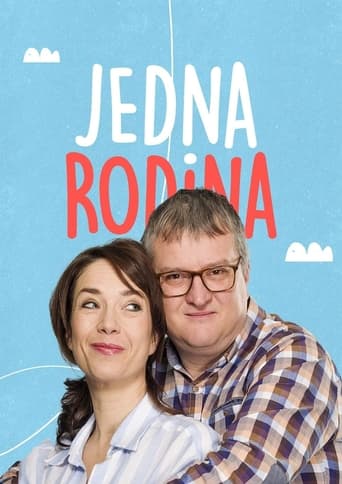
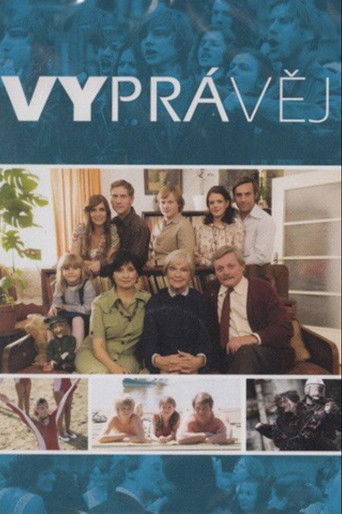
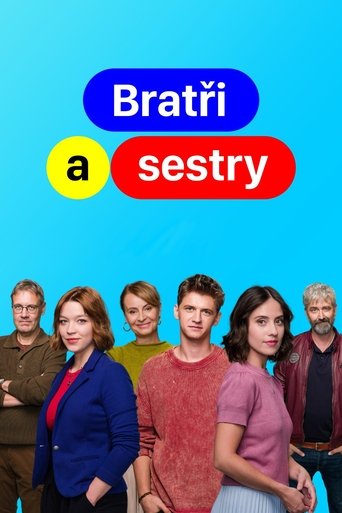
The Series shelf holds 24 series. Besides Arabela, The Visitors and the Hungarian classics, it includes the Polish series Seven Wishes, about a boy and a talking cat, The Secret of Sagala, about a boy on the trail of a magic stone, Karino, about a young woman who raises an orphaned foal, Transformations Machine, about children who find a magical machine, and Janka, a Polish and German series about a girl and her friends. Vyprávěj is a Czech family saga that follows three generations through the second half of the twentieth century, and One Family and Brothers and Sisters are lively modern Czech family comedies.
Christmas and winter
In the Czech Republic and Slovakia, a new fairy-tale film on Christmas Eve is as much a part of the holiday as carp, potato salad and the Christmas tree, and the Christmas and winter shelf holds 33 titles. Three Wishes for Cinderella is the greatest Christmas favourite of all, with its snowy forests and its heroine on a white horse. Angel and Angel 2 are set during Advent, The Christmas Star follows a star who falls to earth, and Merry Christmas Octopus brings the friendly octopuses into the festive season.
The newer Czech television fairy tales are made especially for Christmas Eve. Jak si nevzít princeznu follows a prince and a princess who defy fate, Prince Mama's Boy follows a prince who is very close to his loving mother, The Greatest Gift returns to the time of the old gods, and Svatojánský věneček follows a princess whose marriage is meant to save her kingdom. From Poland comes David and the Elves, about a boy who meets an elf, and from Slovakia comes Christmas Wish, about a princess who sets out to save her father the king.
Picks by age
For the youngest viewers, choose the gentle fairy tales and the friendly magic. Lucy, the Menace of Street, The Octopuses from the Second Floor, Six Bears and a Clown, Long Live Ghosts! and The Christmas Star are perfect first films.
From about six, children love the great fairy tales. Three Wishes for Cinderella, The Princess with the Golden Star, Give the Devil His Due, The Watermill Princess, Mister Blot's Academy and Salt & Gold are full of magic and humour.
From about nine, the adventures and science fiction films are ideal. Journey to the Beginning of Time, The Girl on the Broomstick, Under the Badgers Rock, Lampo, the Travelling Dog and the series Arabela offer excitement for the whole family.
Older children and grown-ups watching together will love The Proud Princess, In Desert and Wilderness, The Boys of Paul Street, Jumping Over Puddles and The Little Mermaid, films that reward patient and thoughtful viewers.
Planning a family film night
A Central European film night is easy to plan. Begin by choosing a shelf: the fairy tales for a magical evening, the magic and science fiction films for something unexpected, the adventures for a lively night, or the Christmas shelf for December. Add the chosen title to My List, check the running time on its page, and press Watch now to see where it is available in your country.
A few small touches make the evening special. Serve Christmas biscuits or a plate of apple strudel for a Czech fairy tale, pierogi or a slice of poppy-seed cake for a Polish film, or chimney cake and hot chocolate for a Hungarian evening. For Three Wishes for Cinderella, hide three hazelnuts around the room and let the children find them before the film begins.
After the film, talk about what everyone enjoyed. Which princess was the bravest? Would you rather study at Mr. Blot's academy or fly with Saxana on her broomstick? Which fairy-tale devil was the funniest? These conversations are often the best part of the evening.
How Watch now works
AniZone is a guide, and every title page leads to the official services that carry the film or series. The Watch now button opens JustWatch for the country you choose, with the streaming subscriptions, rentals, purchases and free services that carry the title there.
Services differ from country to country. Czech, Slovak, Polish and Hungarian films are easiest to find in their home countries, where the public broadcasters often keep classic fairy tales and children's series in their online libraries, and many of the famous fairy tales are also shown every Christmas in Germany, Austria and Norway. Choosing your country in AniZone makes sure the button always opens the right list. Fifteen countries are available, from the Czech Republic, Slovakia, Poland and Hungary to Germany, Austria, the United States, Britain, Canada, Australia, Ireland, the Netherlands, France, Norway and Sweden.
The help pages
AniZone has fifteen help pages, each a short guide to one corner of the catalogue. How to watch with AniZone explains the search field, the title pages and the Watch now button, Finding a title shares search tips, and My List explains how to save and share your plans.
Czech fairy tales introduces the great classics, Václav Vorlíček and friends visits the master of fantasy comedy, Magic and science fiction meets the witches, ghosts and visitors from space, and Christmas with AniZone gathers the holiday favourites. Slovakia, Poland and Hungary suggest the best films from each country.
Adventures follows the summer journeys and treasure hunts, Family stories gathers the films about growing up, Series lists the classic children's television, Learning languages with films suggests films for language learners, and A family film night suggests titles by age.
The storytellers behind the films
Many of the films on AniZone are based on books and stories that children in Central Europe know by heart. Božena Němcová, one of the founders of modern Czech literature, collected fairy tales from the villages of Bohemia and wrote Granny, her loving portrait of her own grandmother, which became the film Granny. Karel Jaromír Erben gathered the folk tales and ballads that inspired many fairy-tale films, and Jan Drda wrote the playful stories of devils and clever villagers behind The Loveliest Riddle.
Jan Werich, the great Czech actor and writer, played the king in Once Upon a Time, There Was a King... and wrote the tale of Ruffiano and Sweeteeth, which inspired Ruffiano and Sweeteeth. In Poland, the poet Jan Brzechwa created Mr. Blot and his academy, Henryk Sienkiewicz, the Nobel Prize winner, wrote In Desert and Wilderness, and Janusz Korczak, the beloved teacher and children's writer, wrote the story of Kaytek the wizard. In Hungary, Ferenc Molnár wrote The Boys of Paul Street and István Fekete wrote Thorn Castle, and their books are still read in every Hungarian school.
Watching a film and then reading the book together is one of the best ways to share these stories. Many of them are available in English translation, and the films often send children straight to the library to find out more.
Through the year
The films on AniZone suit every season. In spring, when the meadows of Bohemia turn green, try The Proud Princess, with its songs of the birds and its royal gardens, or Brontosaurus, about a young birdwatcher. In summer, the holiday films come into their own: Under the Badgers Rock, Man Overboard, That Lovely Green Grass, Journey for One Smile and the series Thorn Castle are all set during long summer holidays.
In autumn, the season of ghost stories, try Long Live Ghosts!, The White Lady or Kačenka a strašidla. In winter, the Christmas shelf comes into its own, with Three Wishes for Cinderella, Angel and the newest Christmas fairy tales, and The Krakonos and the Skiers is perfect for a snowy weekend in the mountains.
Learning languages with films
Family films are one of the most enjoyable ways to hear a new language, and AniZone is a natural companion for learners of Czech, Slovak, Polish and Hungarian. Every title page lists the original title alongside the English one, and many services carry the films with subtitles in the original language or in English.
The fairy tales are ideal for beginners, because their stories are familiar and their language is clear and gentle. The Proud Princess and Salt & Gold are lovely introductions to Czech and Slovak, Mister Blot's Academy is full of songs that are a joy to learn in Polish, and Children's Sicknesses and That Lovely Green Grass are bright, lively films for hearing Hungarian. Watching a film twice, first with English subtitles and then with subtitles in the original language, is a simple and effective way to build confidence.
For families who speak these languages at home but live far from Prague, Bratislava, Warsaw or Budapest, the films are a gentle way to keep the language alive in the youngest generation. A grandparent can share the fairy tale they watched every Christmas as a child, and a parent can share the songs of Mr. Blot or the summer adventures of Thorn Castle. Children who hear the language in a story they love often pick up words and phrases with ease, and the films become a bridge between generations and between countries.
Music and song
Music is at the heart of many of these films. The theme of Three Wishes for Cinderella, composed by Karel Svoboda, is one of the most recognisable melodies in Central Europe, and families hum it every December as the film begins. The Terribly Sad Princess is a full musical, with its two young pop stars singing their way through a royal quarrel, and Mister Blot's Academy and its sequels are full of songs that Polish children have sung for decades.
The Central European fairy tales share a great love of song and dance. In Prince Bajaja, music accompanies the silent prince on his journey, in The Fair Is Here a village fair fills the screen with music and fun, and in Six Bears and a Clown the circus band plays as the clown and his friends save the day. A Fountain for Susan is a cheerful Slovak musical comedy, and Kouzla králů is a musical fairy tale about two kingdoms.
For families who love music, these films are a wonderful way to discover new melodies. Many children learn the songs by heart after a single viewing, and a sing-along evening with one of the musical fairy tales is a lovely way to end the week. Keep the words on a sheet of paper by the sofa, and by the third viewing the whole family will be singing together.
A short history
The family films of Central Europe grew from a long tradition of storytelling. In the nineteenth century, writers such as Božena Němcová and Karel Jaromír Erben in Bohemia, and Pavol Dobšinský in Slovakia collected the folk tales of their villages, and these stories became the foundation of the fairy-tale films of the twentieth century.
After the Second World War, the film studios of Prague, Bratislava, Warsaw and Budapest began to make films for children on a large scale. The Czech studio at Barrandov made The Proud Princess and Once Upon a Time, There Was a King in the early fifties, and the animator and filmmaker Karel Zeman combined live action and special effects in Journey to the Beginning of Time. In Poland, the fifties and sixties brought adventure films for young people, and in Hungary, The Boys of Paul Street became a classic.
The seventies and eighties were the golden age. Czech and Slovak studios made a new fairy tale almost every year, often in partnership with German television, and directors such as Václav Vorlíček, Bořivoj Zeman, Zdeněk Troška and Martin Hollý created films that are still shown every Christmas. Children's television flourished too, with Arabela, Mr. Tau, Thorn Castle and Mr. Blot's Academy. Today, the tradition continues with new fairy tales for Christmas, modern family adventures and the return of favourite characters such as Mr. Blot and Mr. Car.
Great directors for children
Several of the great names of Central European cinema made films for children. Bořivoj Zeman directed The Proud Princess, Once Upon a Time, There Was a King and The Terribly Sad Princess. Václav Vorlíček made Three Wishes for Cinderella, The Girl on the Broomstick and Arabela. Karel Zeman made Journey to the Beginning of Time and many other films that mix live action with animation and special effects, and Karel Kachyňa made The Little Mermaid and Jumping Over Puddles.
Zdeněk Troška brought a new energy to the Czech fairy tale in the eighties and nineties with The Watermill Princess, and Martin Hollý made the great Slovak fairy tales Salt & Gold and Popolvar. In Poland, Krzysztof Gradowski made the Mr. Blot films, and in Hungary, Zoltán Fábri made The Boys of Paul Street. Together they built a tradition that is still alive today.
Hidden gems
Beyond the famous titles, AniZone holds many smaller films that deserve a wider audience. The Emperor and the Golem, from 1951, is a lavish comedy about the court of Emperor Rudolf II and the legendary clay giant of Prague. When the Cat Comes, from 1963, is a magical film about a cat whose glasses reveal people's true colours, and Darbujan and Pandrhola is a fairy tale about a poor miner with eleven children.
Robinson Girl follows a girl who imagines she is stranded on a desert island, For Boys Only Is for Girls Too follows a girl who is a brilliant footballer, Metráček follows a teenage girl who finds her confidence, and The Cat Prince follows a boy whose family moves to a castle, where a fairy-tale adventure begins. Ábel a rengetegben is a lovely Hungarian film about a boy who spends a winter alone in a Transylvanian forest, and The Two Who Stole the Moon is a charming Polish fairy tale about two mischievous twins.
A perfect first night
If you are new to AniZone, start with a film that everyone in the family can enjoy together. Three Wishes for Cinderella is magical and full of snow, The Proud Princess is a gentle classic, Mister Blot's Academy is full of songs, and The Octopuses from the Second Floor is pure fun for younger viewers. For a series, Arabela is perfect for a week of evenings.
After the first film, let each member of the family choose the next one from their favourite shelf. Soon everyone will have a favourite hero, whether it is a Cinderella with a crossbow, a witch on a broomstick, a magician in a bowler hat or a boy on a journey across Africa, and the family will have a shared list of stories to return to again and again.
Why these films matter
The family films of Central Europe have a rare gift: they treat fairy tales with warmth, humour and respect. Their princesses are clever and brave, their heroes are kind and honest, and even their devils and ghosts often turn out to have good hearts. They celebrate the beauty of the countryside, the wisdom of ordinary people and the joy of music and laughter.
They also open a window onto a part of Europe that many children elsewhere know little about, with its castles and forests, its mountains and lakes, its villages and old cities. Watching them together is a joyful way to discover new stories and to share old favourites across generations.
Happy viewing
AniZone is made for families who love fairy tales and want to discover the treasures of Central European family cinema. Search for a favourite title, browse the shelves, add a few films to My List and press Watch now when the evening comes. Every page is ready with its story, its cast and its episodes, and the help pages are ready with a fresh idea for every evening. Dobrou zábavu, as they say in Czech, and happy viewing from everyone at AniZone.
Questions
What is AniZone?
AniZone is an English guide to 239 family films and series from the Czech Republic, Slovakia, Poland and Hungary, with a Watch now button that opens each title on JustWatch for your country.
Which countries are included?
The Czech Republic, Slovakia, Poland and Hungary, each with its own shelf and help page.
Is this an anime site?
AniZone keeps the look of the anime site it is named after, and its catalogue is made of Central European family films and series chosen for families.
Are the films in English?
The guide is in English. The films are in Czech, Slovak, Polish or Hungarian, and many services offer subtitles or dubbing.
Is Three Wishes for Cinderella here?
Yes. The 1973 Czech and German classic is on the Fairy tales and Christmas shelves, together with The Proud Princess, The Princess with the Golden Star and many more.
How does Watch now work?
Choose your country and press Watch now. JustWatch opens with the subscription, rental, purchase and free services that carry the title where you live.
Are the films suitable for children?
The catalogue is chosen by hand for family viewing, and the guides point out the best titles for each age.
What is My List?
My List keeps the titles you plan to watch in your browser. You can export it to a small file and import it on another device.